Otari · Nagano · Northern Japan Alps
A house that keeps the winter.
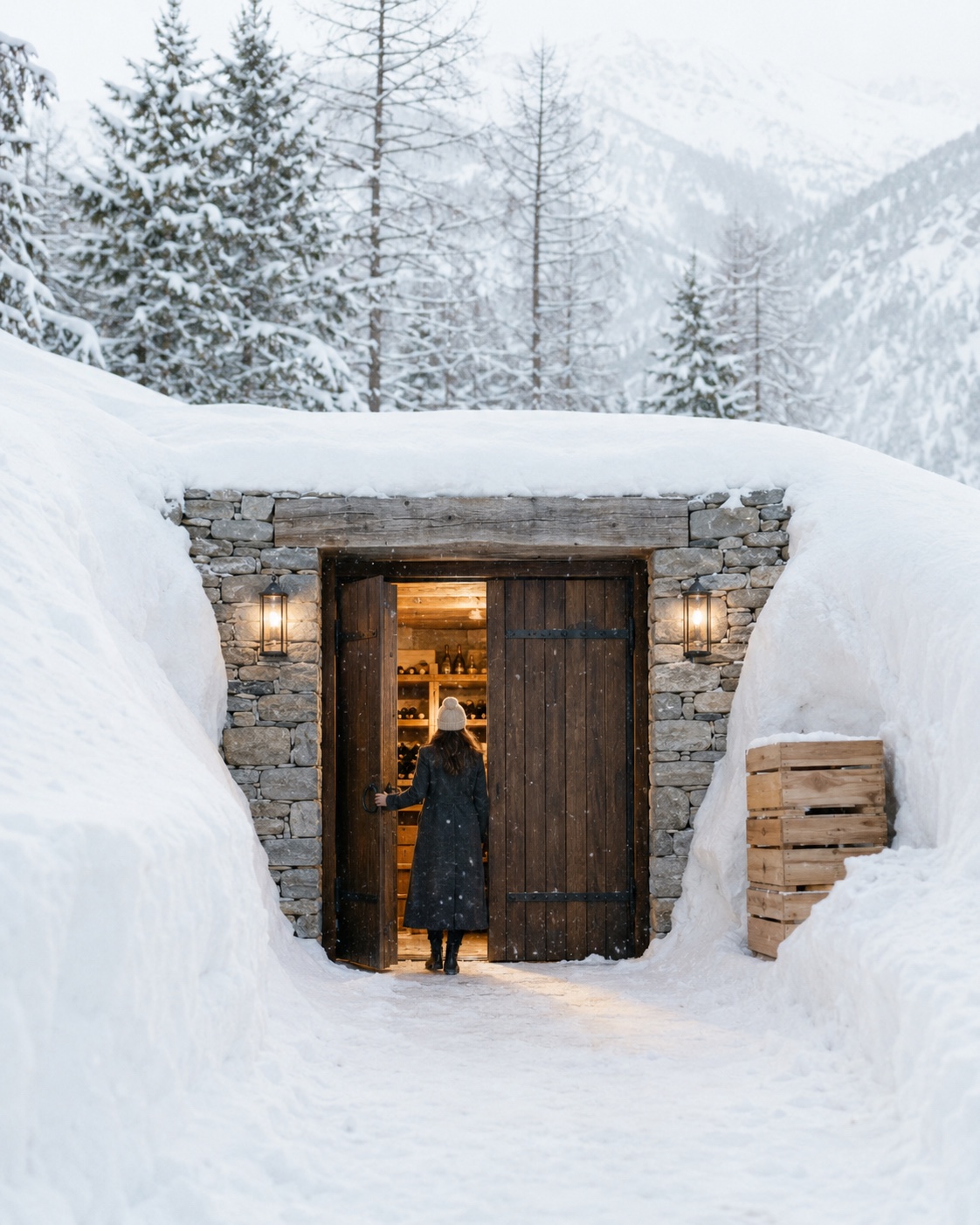
yukimuro — a cellar cut into a hillside and packed with winter snow, which holds at zero degrees, on no power, until August.
Four years. Most of it spent waiting for wood.
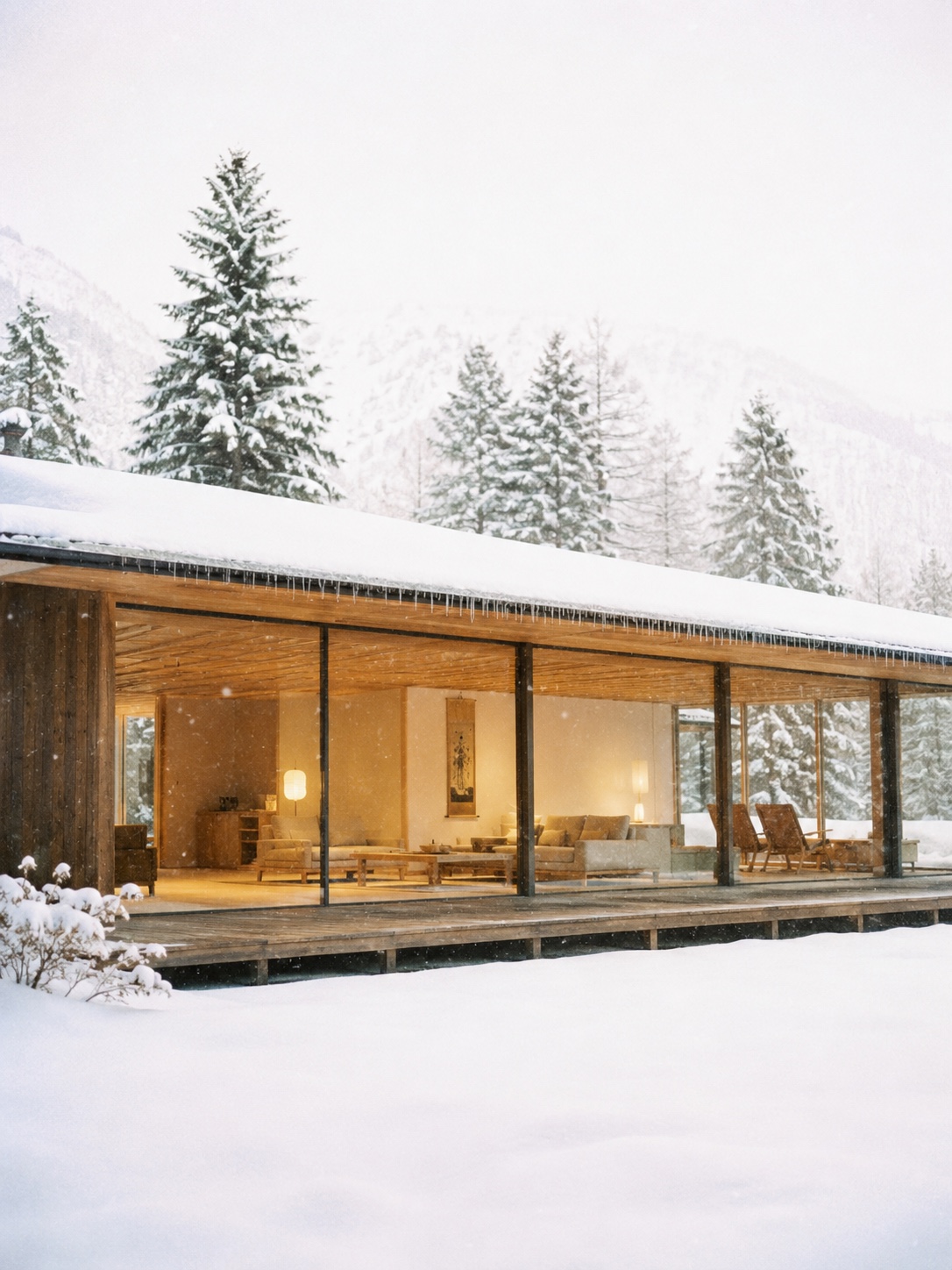
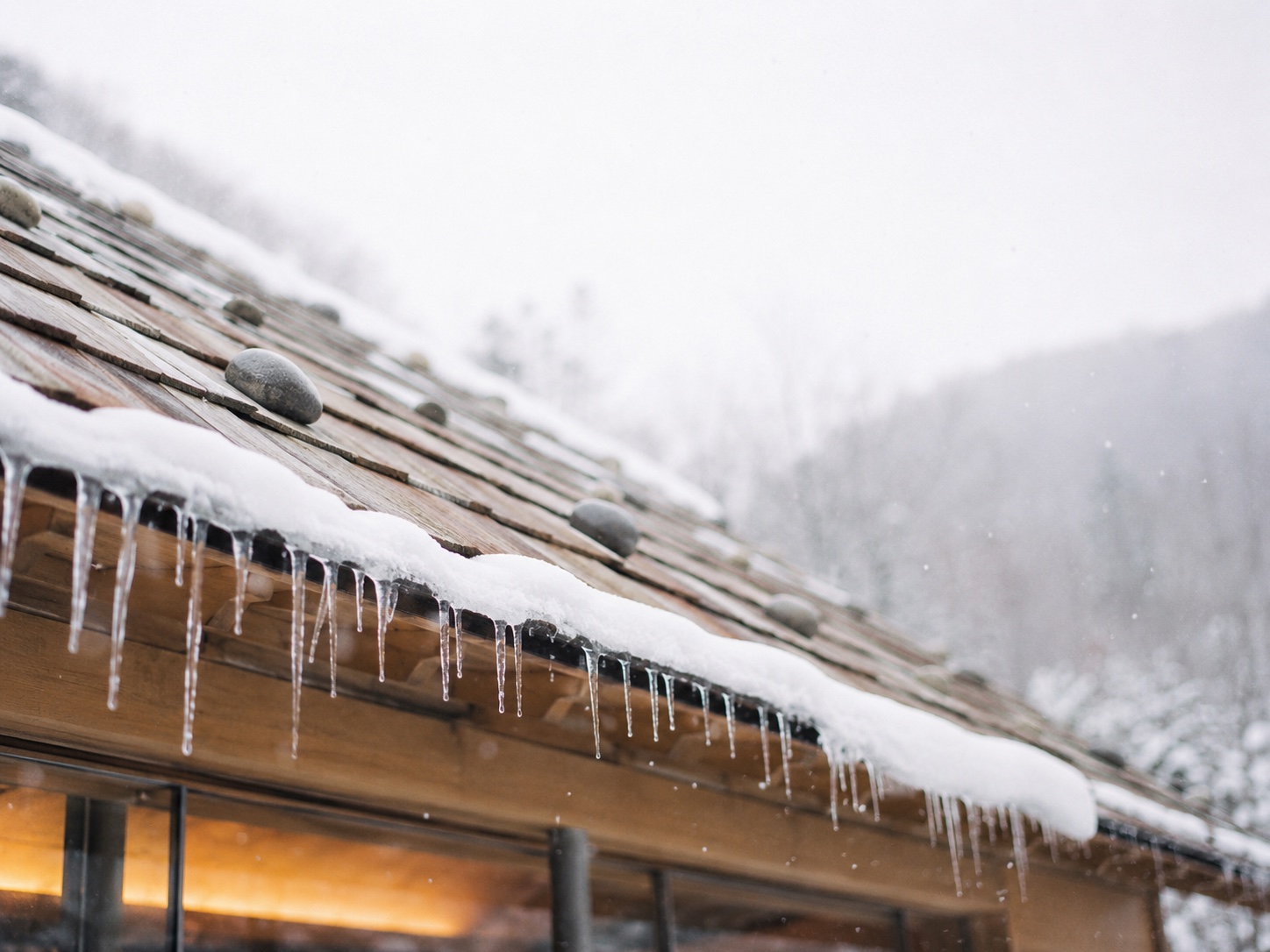
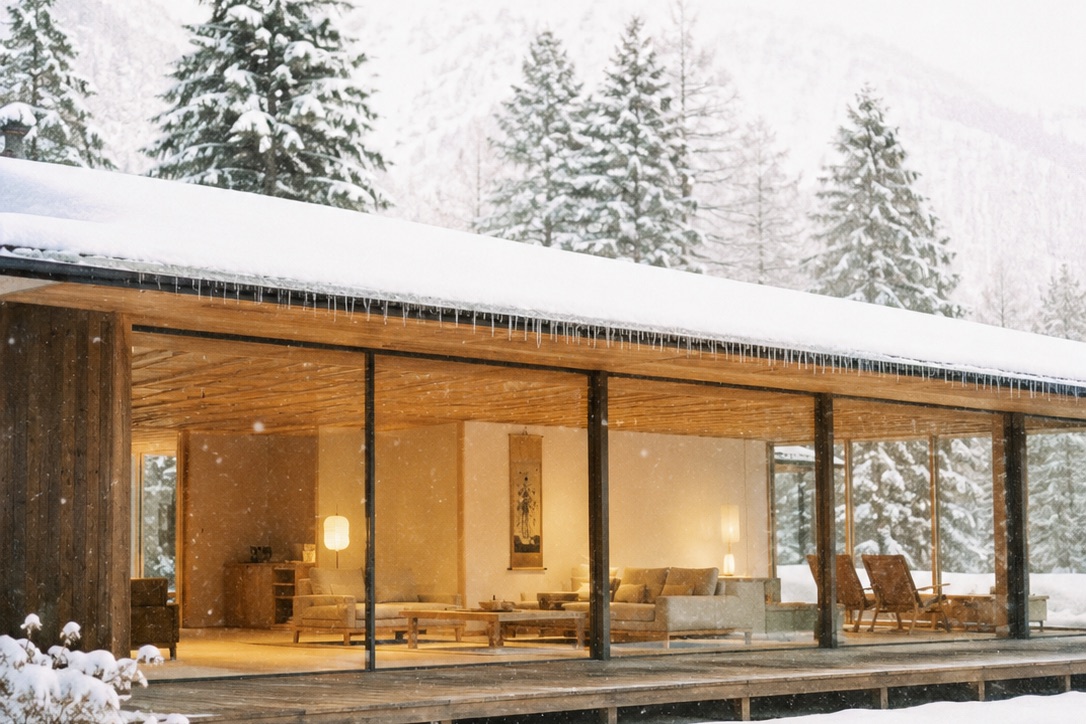
The farmhouse was raised in 1891 in honmune-zukuri, the Nagano form: a roof pitched steeply enough to shed a metre a night, a frame of zelkova felled within a kilometre of where it stands, and lime plaster four hundred millimetres thick. By 2015 it had stood empty for nineteen years and was open to the sky in two places.
Nakagawa Rie spent four years on it, and most of that was waiting. Chestnut for the floors had to be felled in winter and air-dried for two years. The itaya shingles are split by hand by one man in Sakae, who makes about one roof's worth a year. The plaster was mixed on site from the same limestone as the original and went on in eleven coats.
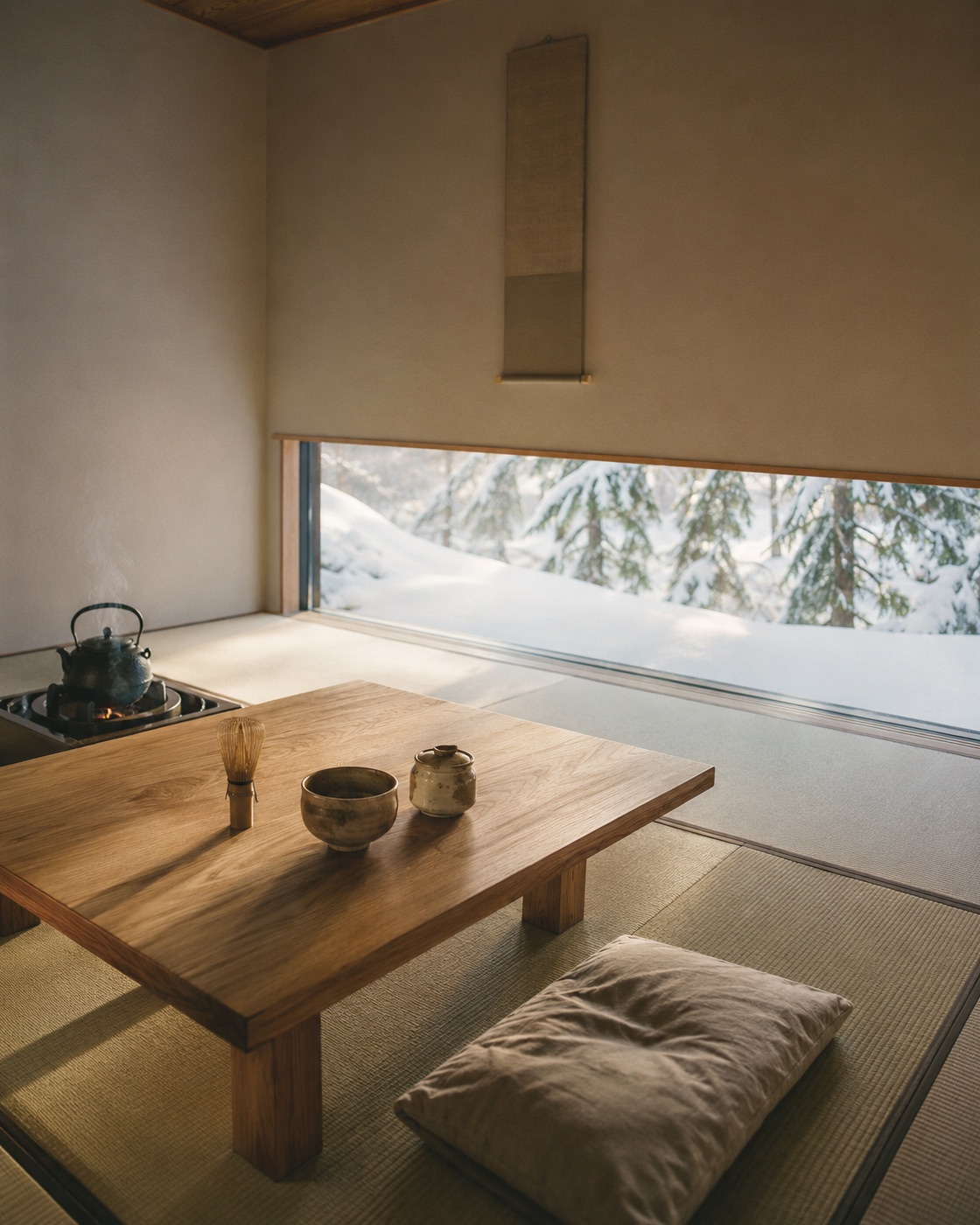
Nothing was used that could not be repaired by somebody living in this valley. There are no screens in the rooms. There is no lock on the front door.
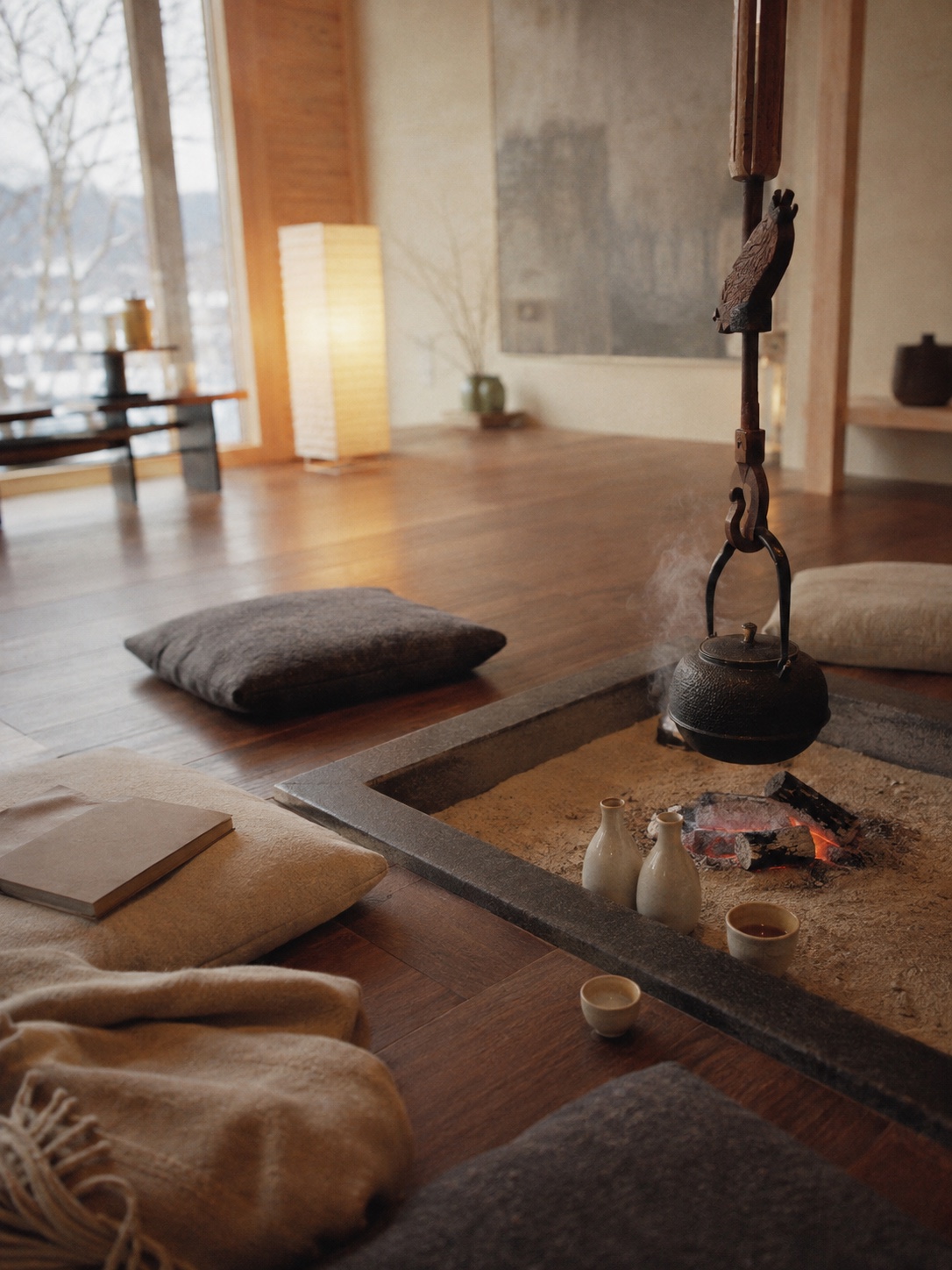
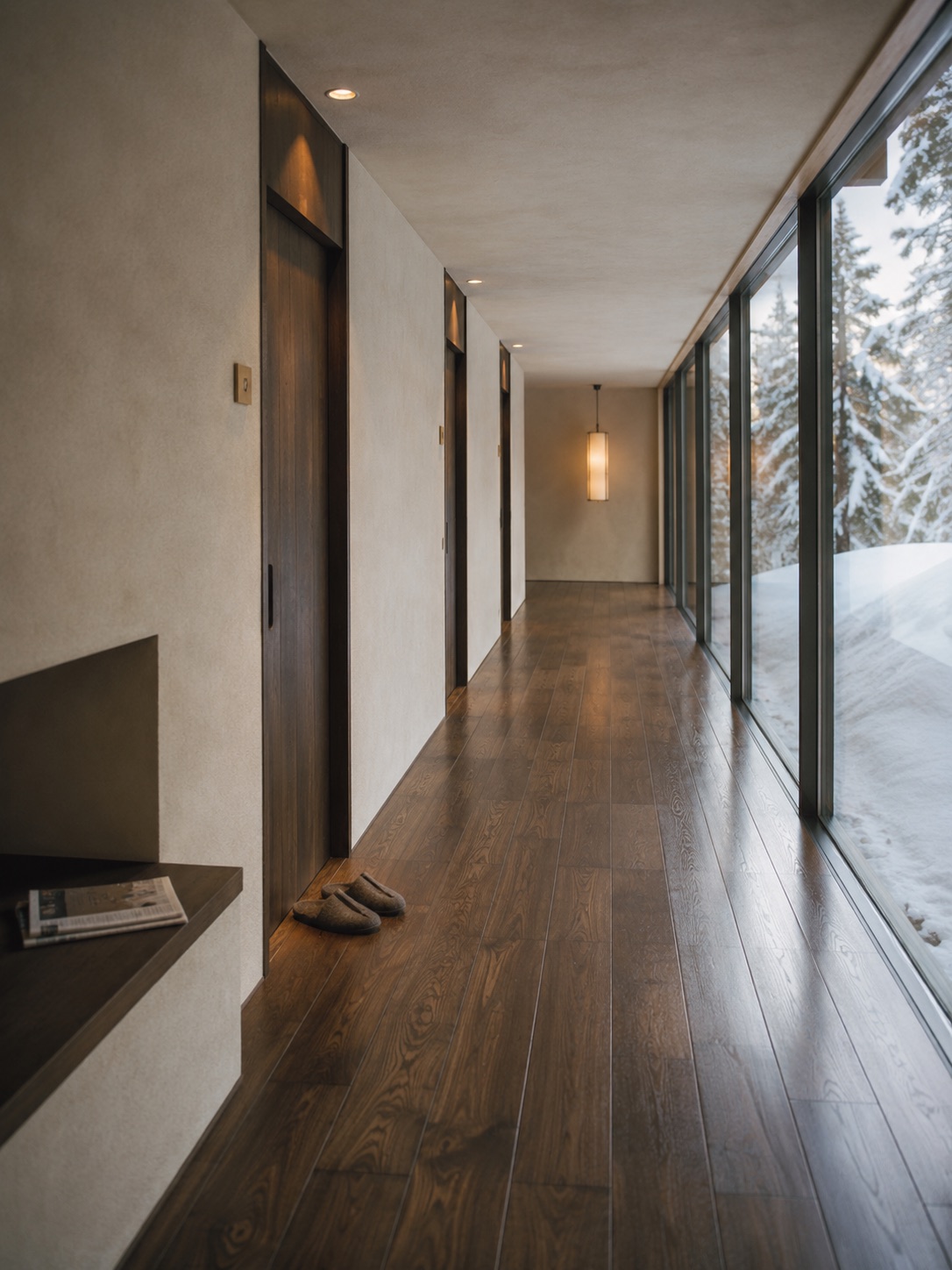
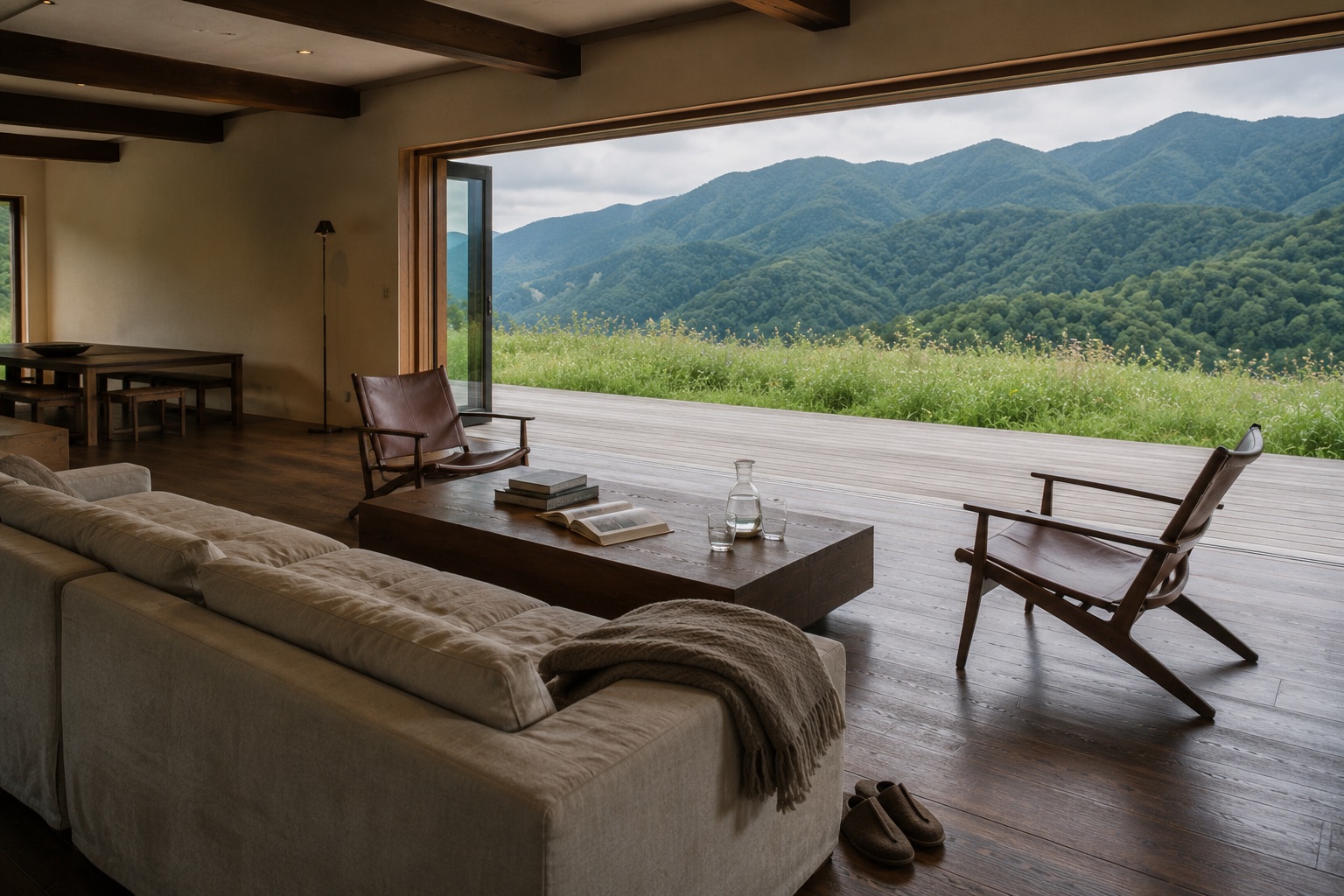
- Frame
- Zelkova, 1891, retained
- Roof
- Hand-split itaya shingle, river-stone weighted
- Walls
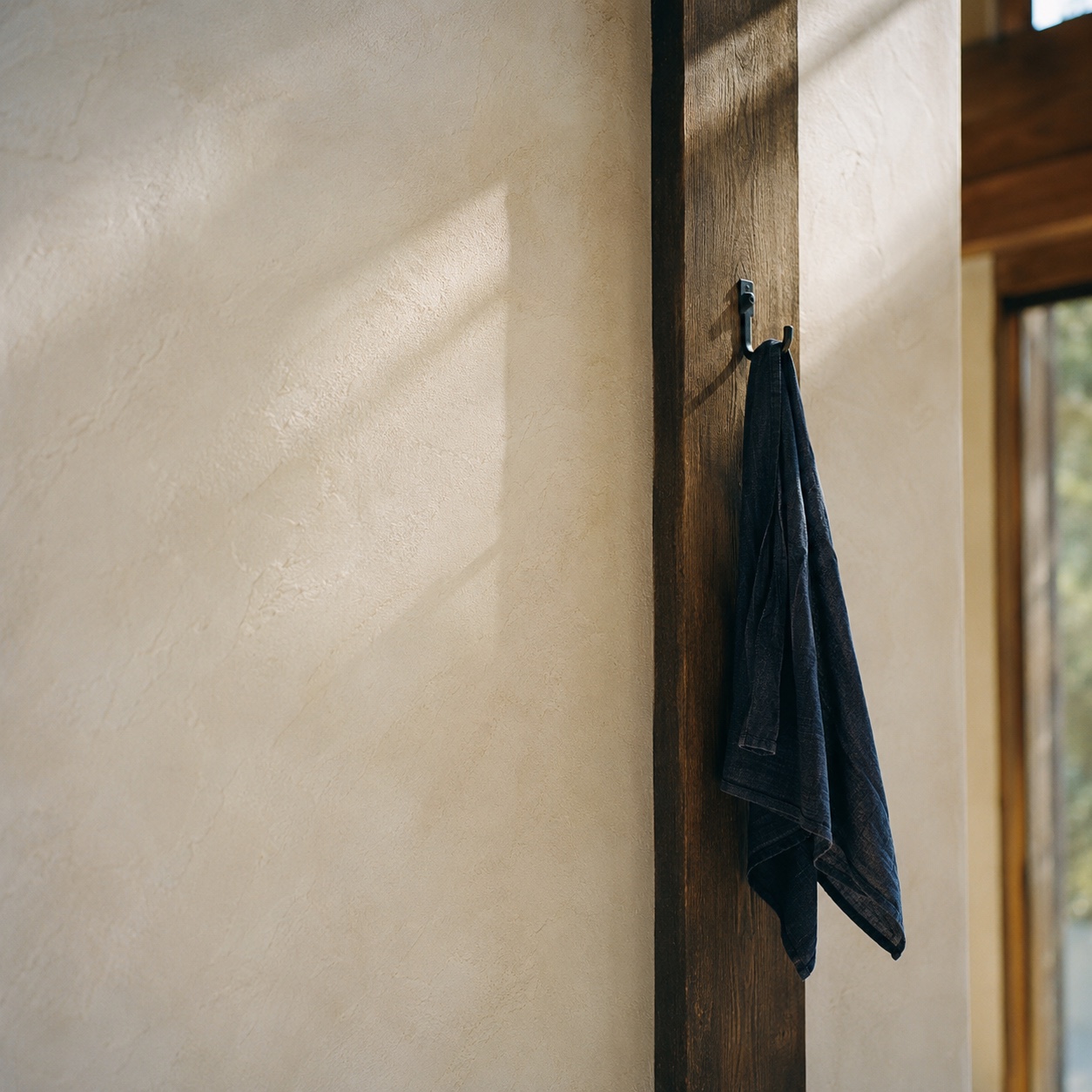
- Lime plaster, 11 coats, 400 mm
- Floors
- Japanese chestnut, winter-felled, 2 years dried
- Paper
- Uchiyama-gami, made in Iiyama
- Bath stone
- Andesite, Hime river
- Heat
- Irori, ground-source, and the mountain
- Architect
- Nakagawa Rie, Matsumoto
- Completed
- November 2019
Four rooms
No numbers on the doors. Each room is named for what is outside its window.
The valley does not fight the winter. It banks it.
Between December and April, four to six metres of snow falls on this side of the Hida range — more than falls on any other inhabited place on earth. For three hundred years the households in this valley have answered it the same way. In February, when the pack is deepest, they cut it into blocks and carry it into cellars dug back into the hillside. Yukimuro. Snow rooms.
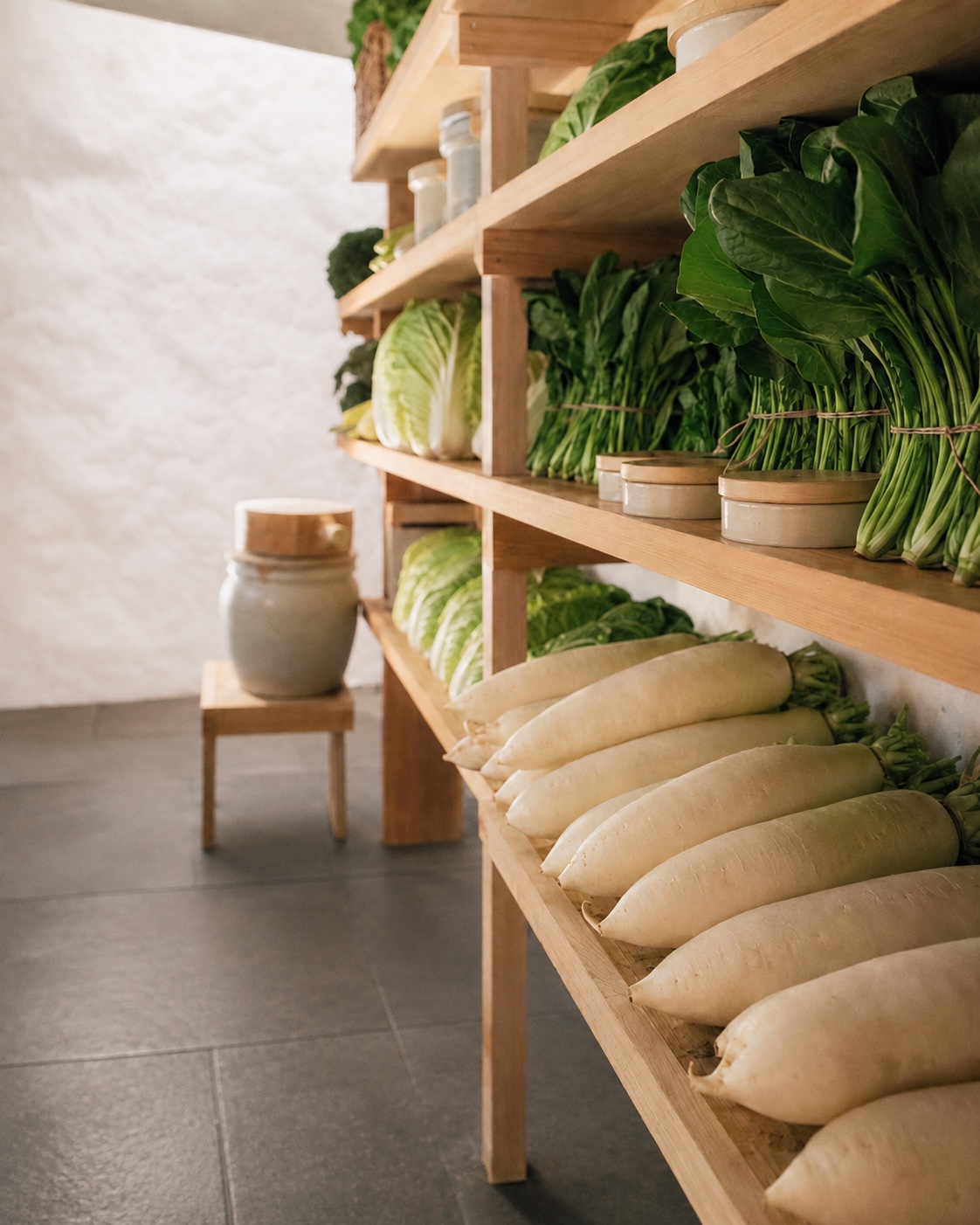
A yukimuro holds at 0.4 °C and ninety-one per cent humidity through August, on no power at all. Vegetables kept in one do not merely survive it. Cold-stressed, in still and saturated air, a daikon spends the summer converting its starch to sugar. It comes out in August sweeter than it went in in October.
We built the house around one of these cellars. It is the oldest thing on the property and the only thing we did not touch. Everything the kitchen serves has been through it — and the reason to come here is not far from the reason a root vegetable improves in the dark. Nothing is asked of you, and you are left alone long enough for something to happen.
The cellar this morning · 0.4 °C · 91 % RH
Sweeter in August than it was in October.
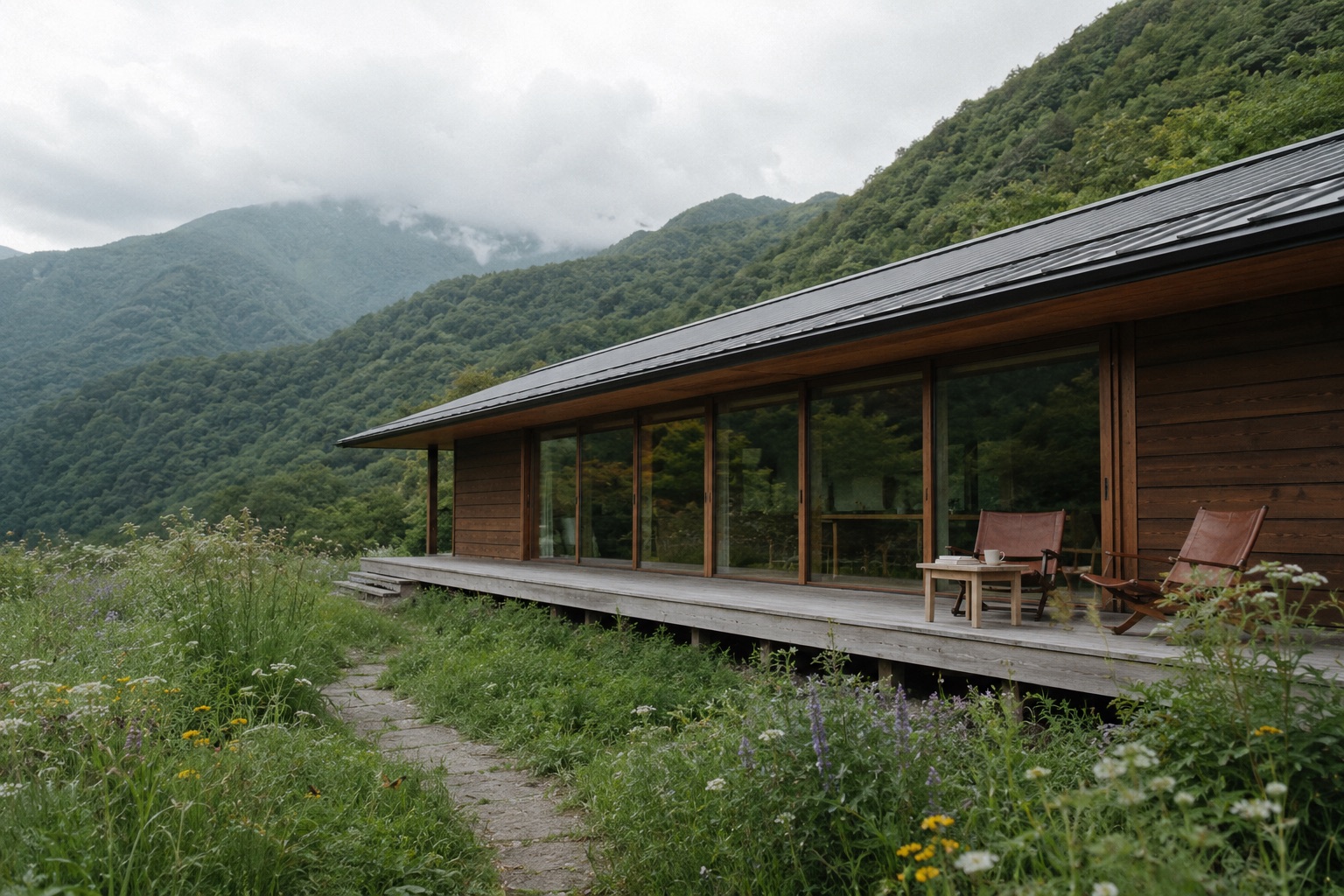
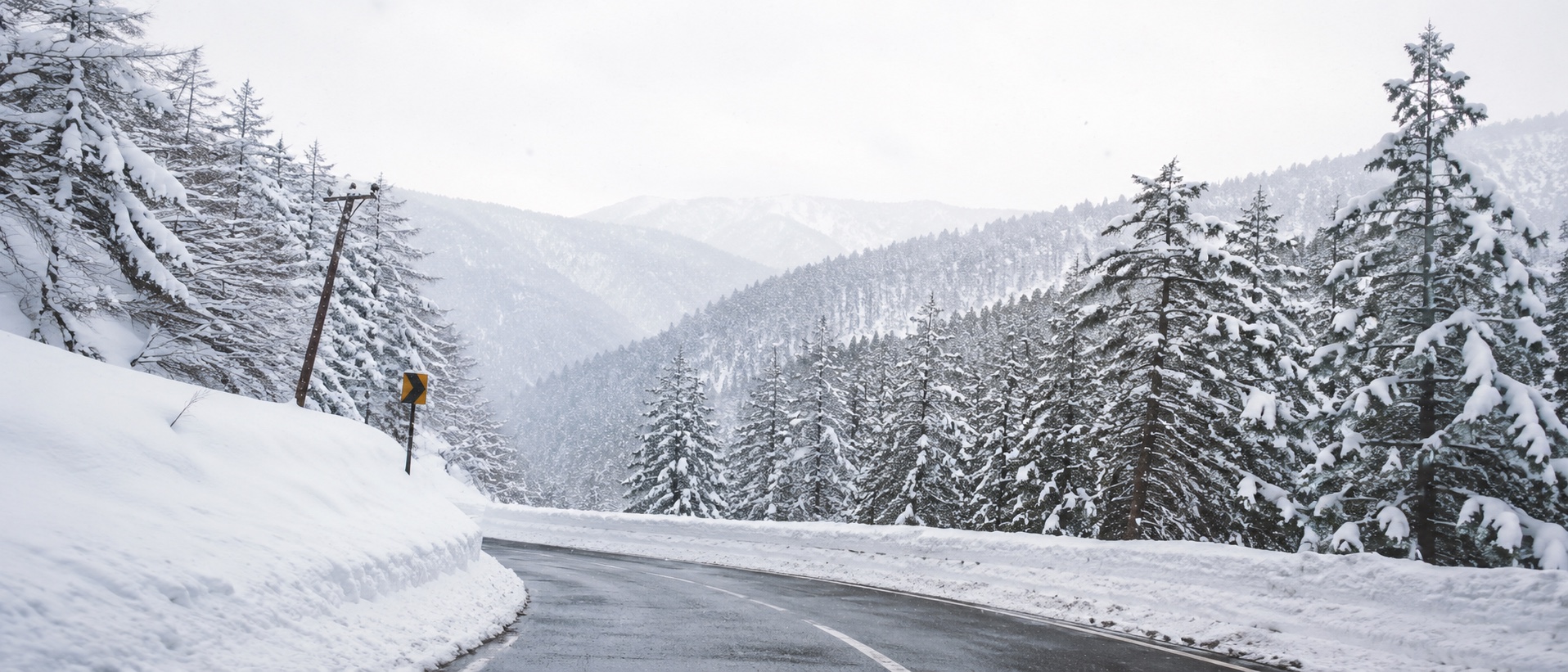
The road ends here. From December it ends three kilometres sooner.
Otari sits at the northern end of Nagano, where weather off the Sea of Japan meets three thousand metres of rock and has nowhere left to go but down. The village has been recording snow depth since 1918. The mean at our elevation is 4.1 metres. The record, in 1945, was 7.85.
The last three kilometres of the valley road are not ploughed. From the middle of December until the end of April you leave the car at the Kurumi road head and we come down for you. It takes twenty minutes in the snowcat, it is the best twenty minutes of the journey, and we do not apologise for it.
Getting here
- Tokyo Hokuriku Shinkansen · 1 h 20
- Nagano By car · 70 min
- Kurumi road head Snowcat · 20 min · Dec–Apr
- Yukimuro 1,240 m
- Elevation
- 1,240 m
- Treeline
- 1,900 m
- Above us
- Shirasawa-dake, 2,612 m
- Snow, mean
- 4.1 m
- Snow, record
- 7.85 m — 1945
- Road closed
- 14 Dec – 28 Apr
- Mobile signal
- House only. None above.
- Nearest light
- Otari village, 9 km
One seating. One menu. Three questions, asked when you book.
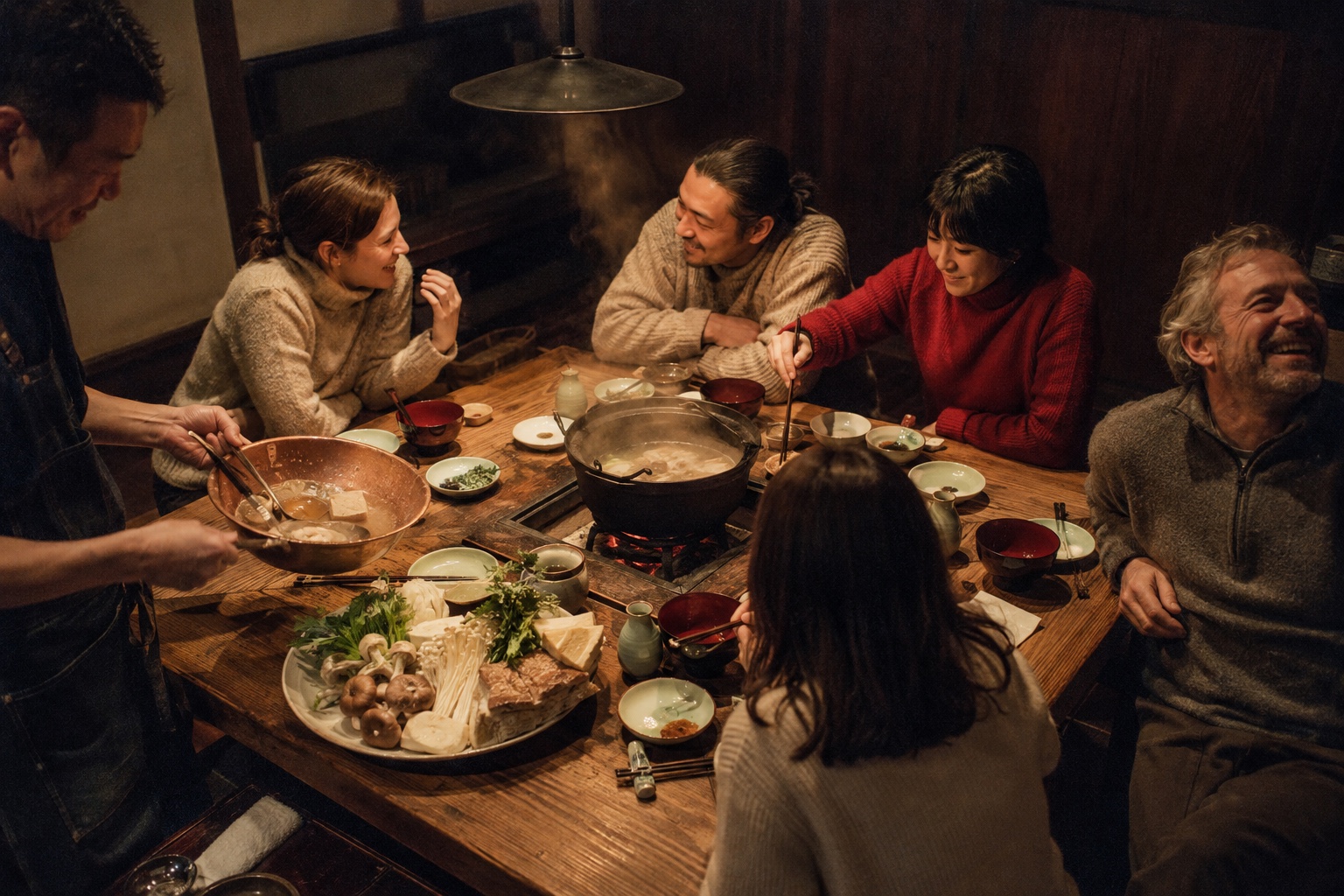
Dinner is at 18:30 and there is one of it. Twelve seats at a single chestnut counter, and everyone eats the same thing, because the cellar decides and the cellar does not negotiate.
The three questions are: what you cannot eat, what you have never eaten, and how hungry you actually are. We do not ask about preferences. Preference is how a kitchen ends up cooking eleven different dinners badly.
The four months
The growing season here runs eight months in a good year. The other four belong to the cellar. In November the kitchen buries forty kilograms of nozawana, the year's miso moves into its third cedar barrel, and the sunki is set to work — turnip greens fermented in nothing but their own lactic bacteria, no salt at all, a Kiso practice that survives almost nowhere else.
Then, for three weeks in the middle of April, everything happens at once. Kogomi, taranome, yamaudo, kōsō — the mountain vegetables come up through the last of the snow and are gone again by early May. Most of what you eat here in November was picked inside that window.
- Nozawana40 kg · buried 11 Nov
- Yamaimo60 kg · buried 8 Nov
- Sunki, fourth caskset 2 Nov
- Shinshu misothird year
- Daikon, Otari red110 kg · lifted 29 Oct
- Kanezawa junmai84 bottles · resting since March
Cellar opened daily at 15:40. You may go in.
Who grows it
- WasabiKōno Tatsuya, AzuminoStanding in 13 °C spring water. Ten months to a rhizome.
- SansaiIwata Kimiko, OtariForty-one years on the same three slopes.
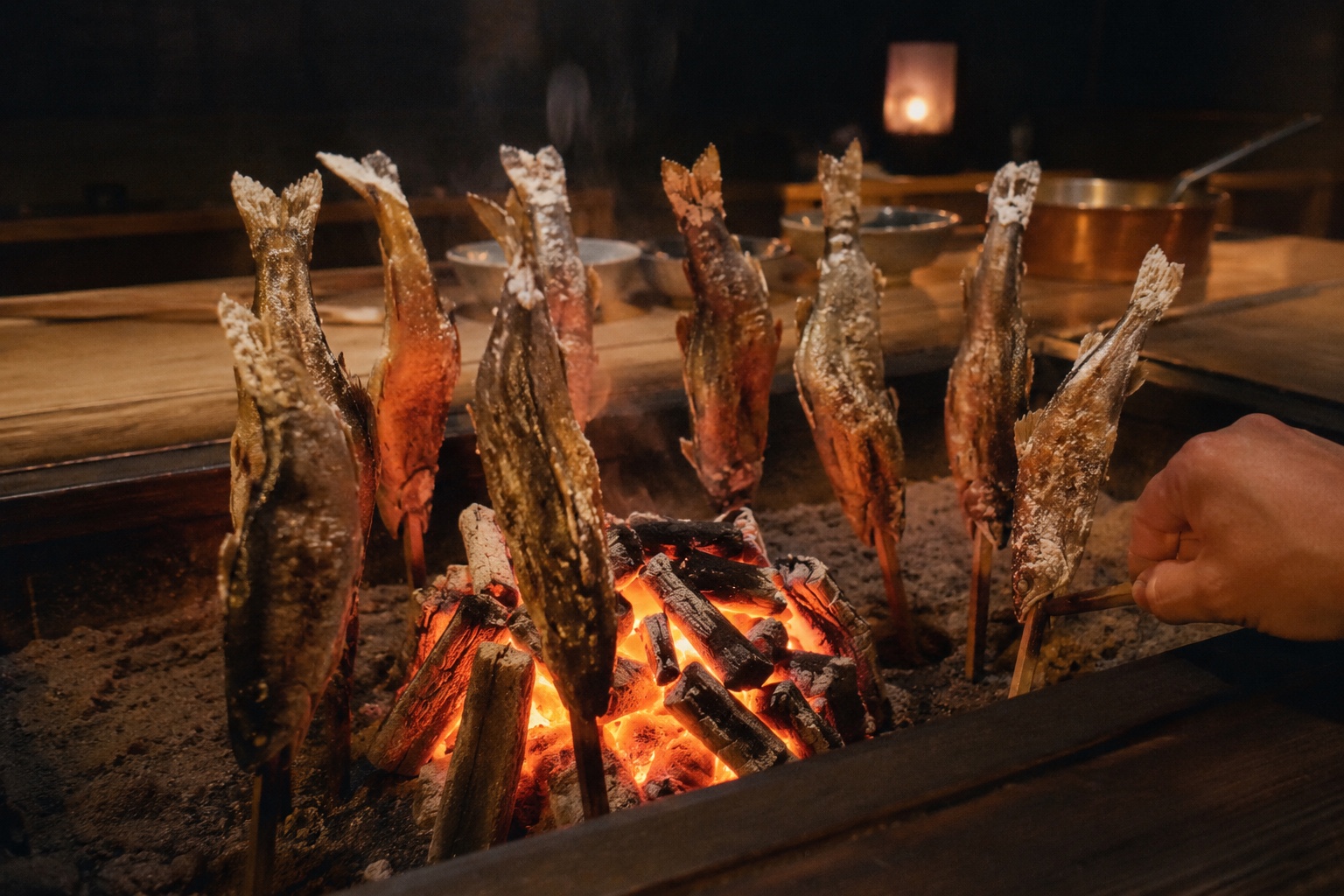
- CharcoalSudō Kenji, ŌmachiOak binchōtan, fired for eighteen days.
- SakeKanezawa Shuzō, ŌmachiFounded 1904. Our water, twelve degrees colder.
- RiceThe terrace below the roadTwo hectares. Not enough. We buy the rest.
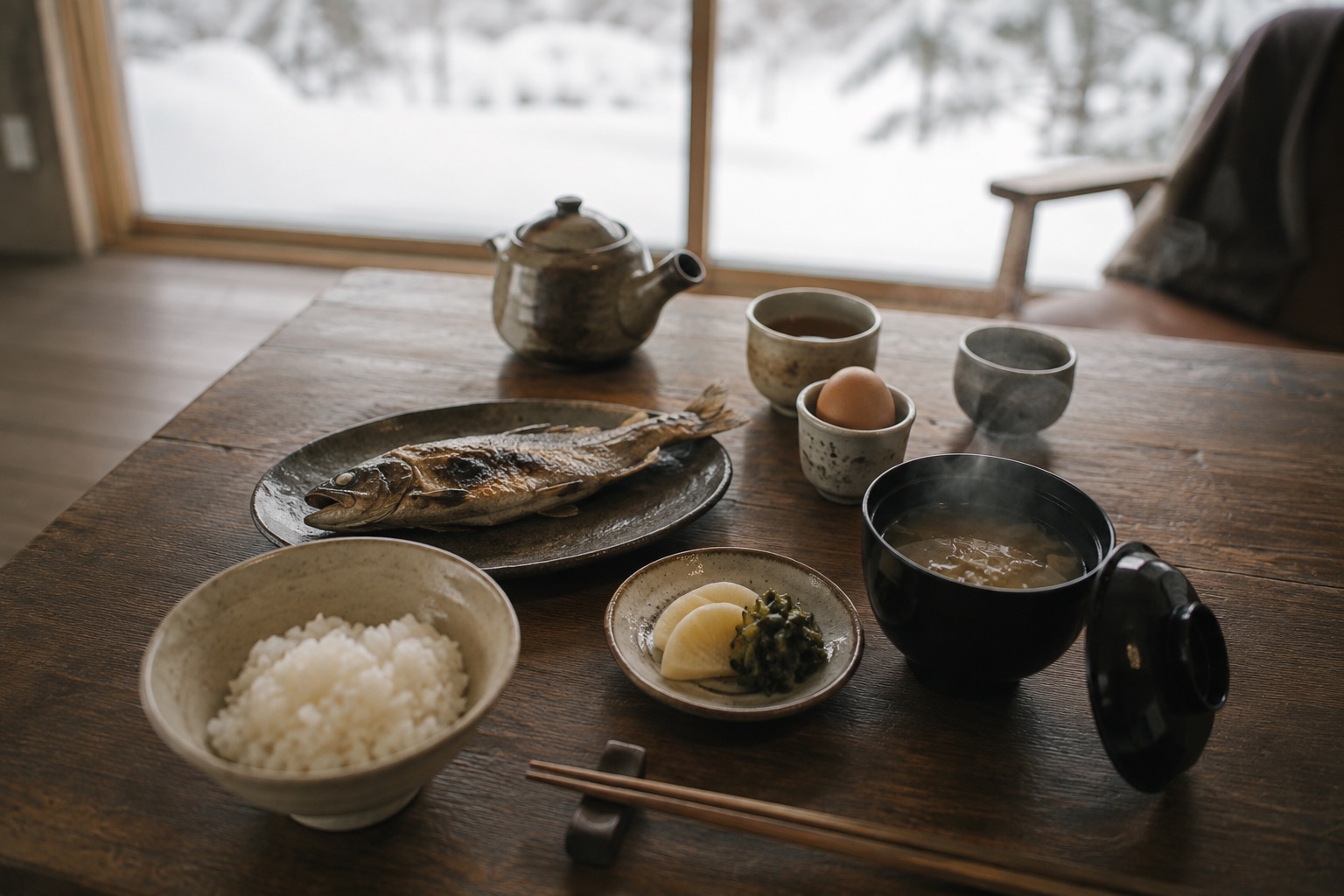
Breakfast is not a buffet. Grilled iwana from the Hime, rice from the terrace, miso from the cellar, and one egg. It is at seven. If you are not up, it waits.
Hot at forty-two. Cold at six. The difference is the point.
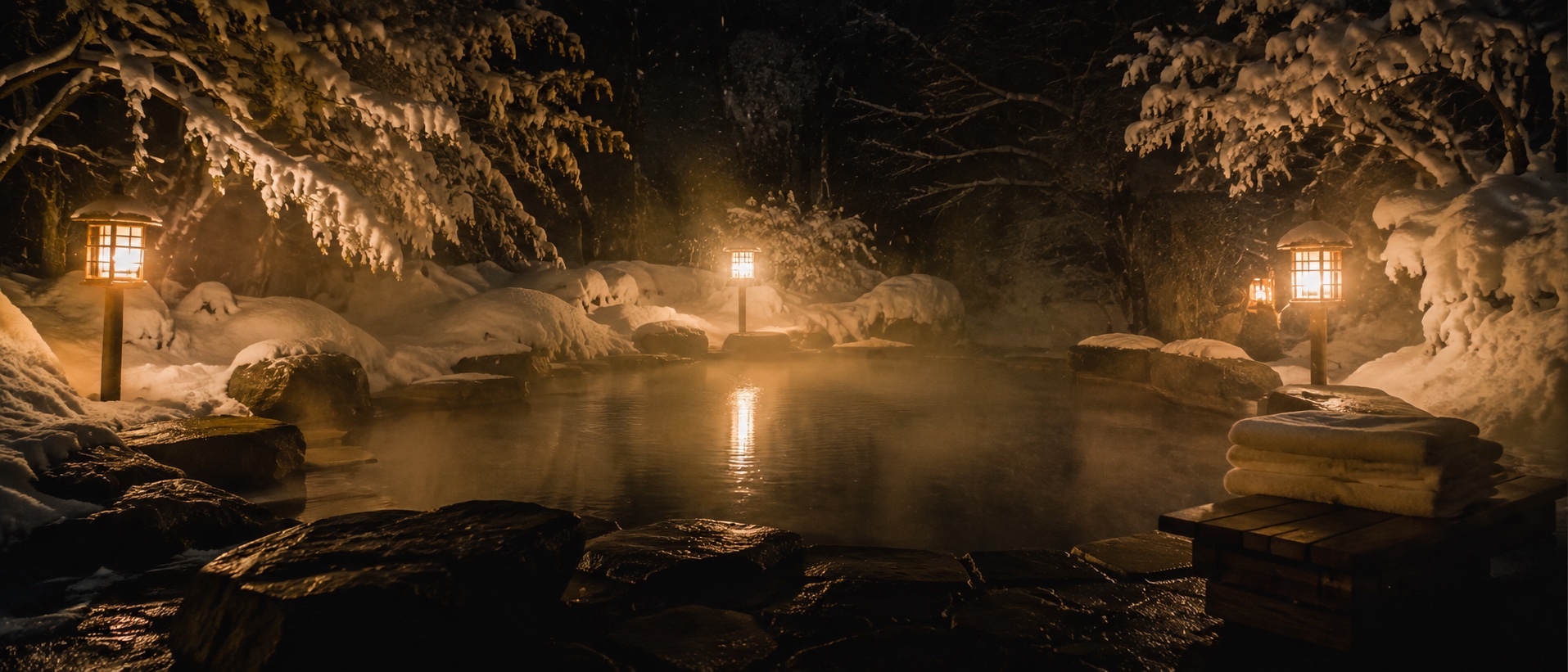
The spring rises nine hundred metres up the valley at 61 °C — sulfate-chloride, heavy in calcium — and reaches the house at 42.4°. We cool it with air rather than water, because water would dilute it. The cold bath is the Kurumi stream, untreated and unheated, which runs at 6° in February and 11° in August.
The house cycle
Before dinner. Three rounds. One hour forty.
- 01Twelve minutes at 42.4 °Until you want to leave, then two minutes more
- 02Ninety seconds at 6 °Breathe out slowly. Do not hold it.
- 03Fifteen minutes, dressed, sitting stillOutside, if you can stand it
Repeat ×3 — then eat
This is not a treatment and we make no claims for it. What is reasonably well established is that repeated heat and cold exposure improves thermal tolerance, shortens the time it takes to fall asleep, and lifts mood for several hours afterwards. What people actually report is that they stop thinking about anything at all somewhere in the second round. Both of those seem worth an evening.
Tōji — 湯治 — is the older Japanese idea of a hot spring. Not an afternoon, but a course. Farmers came down after the harvest and stayed for weeks, and the inns were priced and provisioned for exactly that. The valley registers from the 1880s put the average stay at twenty-one days. Ours is seven nights by custom, and as many as you can manage. We have had people stay twenty-one. They are not the ones who leave tired.
- Source
- Kurumi-zawa, 900 m upvalley
- At source
- 61.0 °C
- At the bath
- 42.4 °C
- Water
- Sulfate-chloride, calcium-rich
- Cold bath
- 6 °C Feb — 11 °C Aug
- Baths
- Two shared, one by hour
- Signal
- None in the bathhouse
- Hours
- 05:00 – 01:00
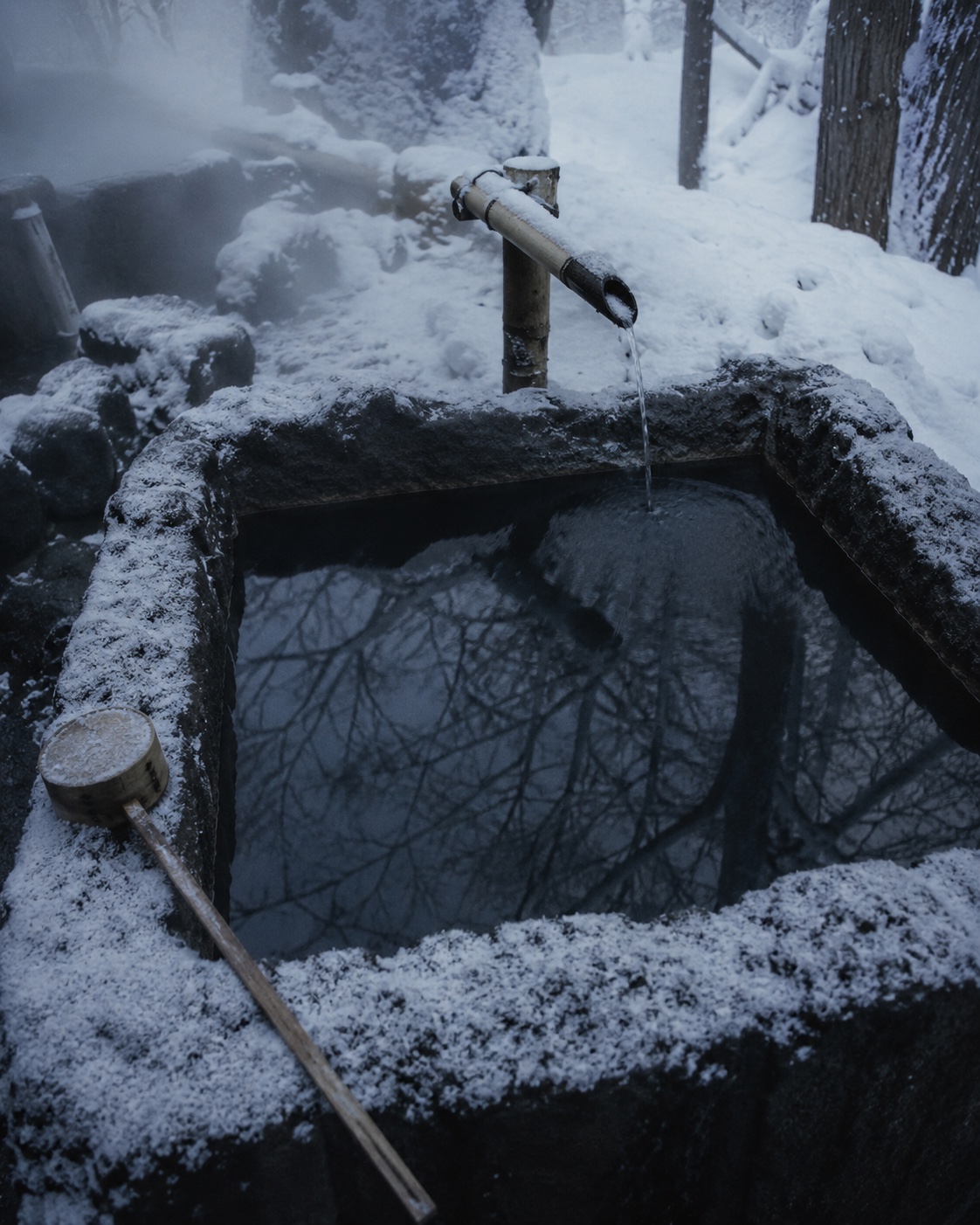
The sleep room
One room in the house has no windows, no clock and sits at 16 °C. It cannot be booked and it is never locked. Most people find it in the afternoon of the second day.
Who is here
- Shiatsu — Mori JunkoOne week in four
- Sleep & altitude — Dr Hashimoto AoiTuesdays, from Matsumoto
No massage menu. Nothing is for sale in the bathhouse.
What there is to do, and permission to do none of it.
Everything below is optional, arranged the evening before, and cancelled without comment if you would rather not. Nobody will ask you twice.
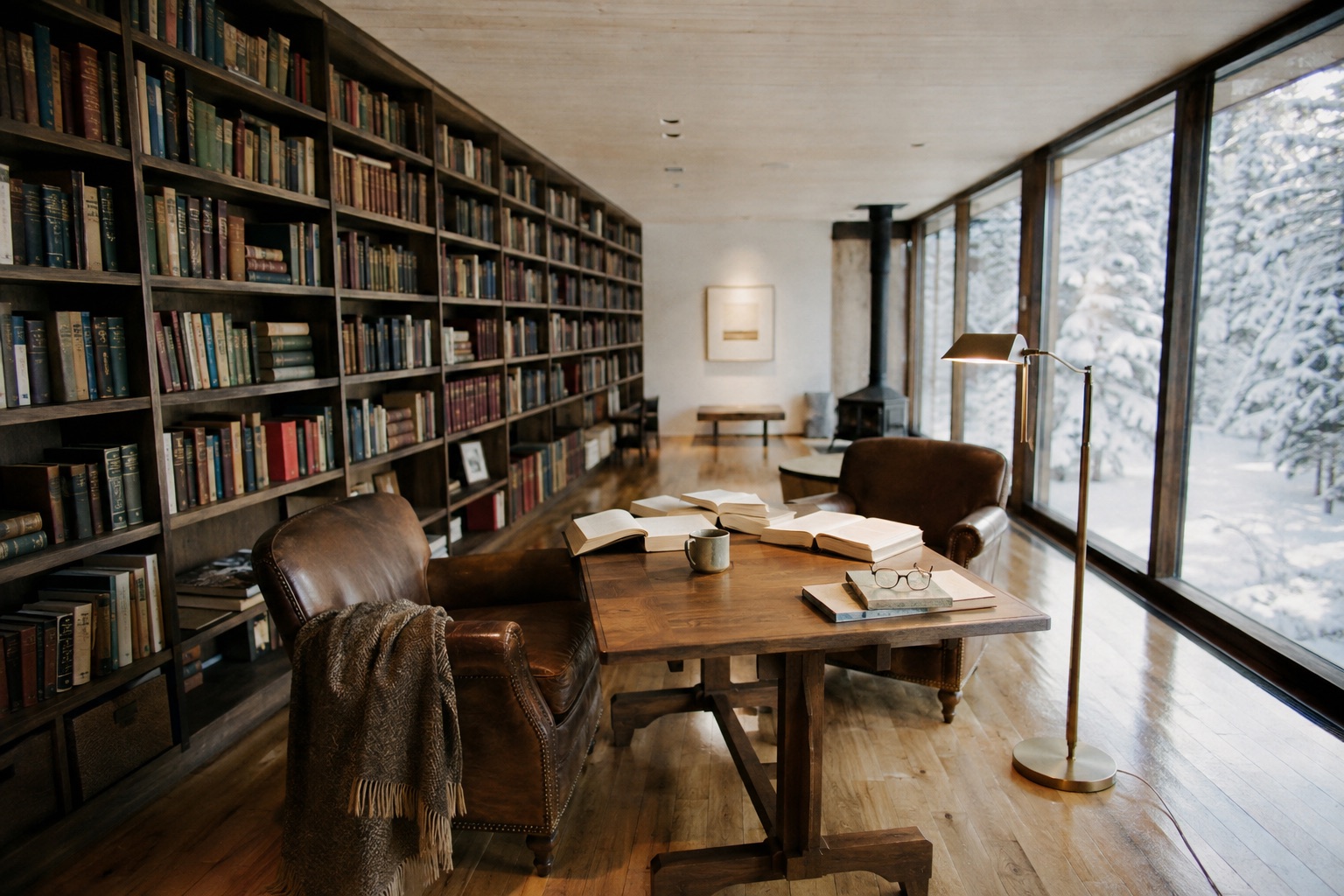
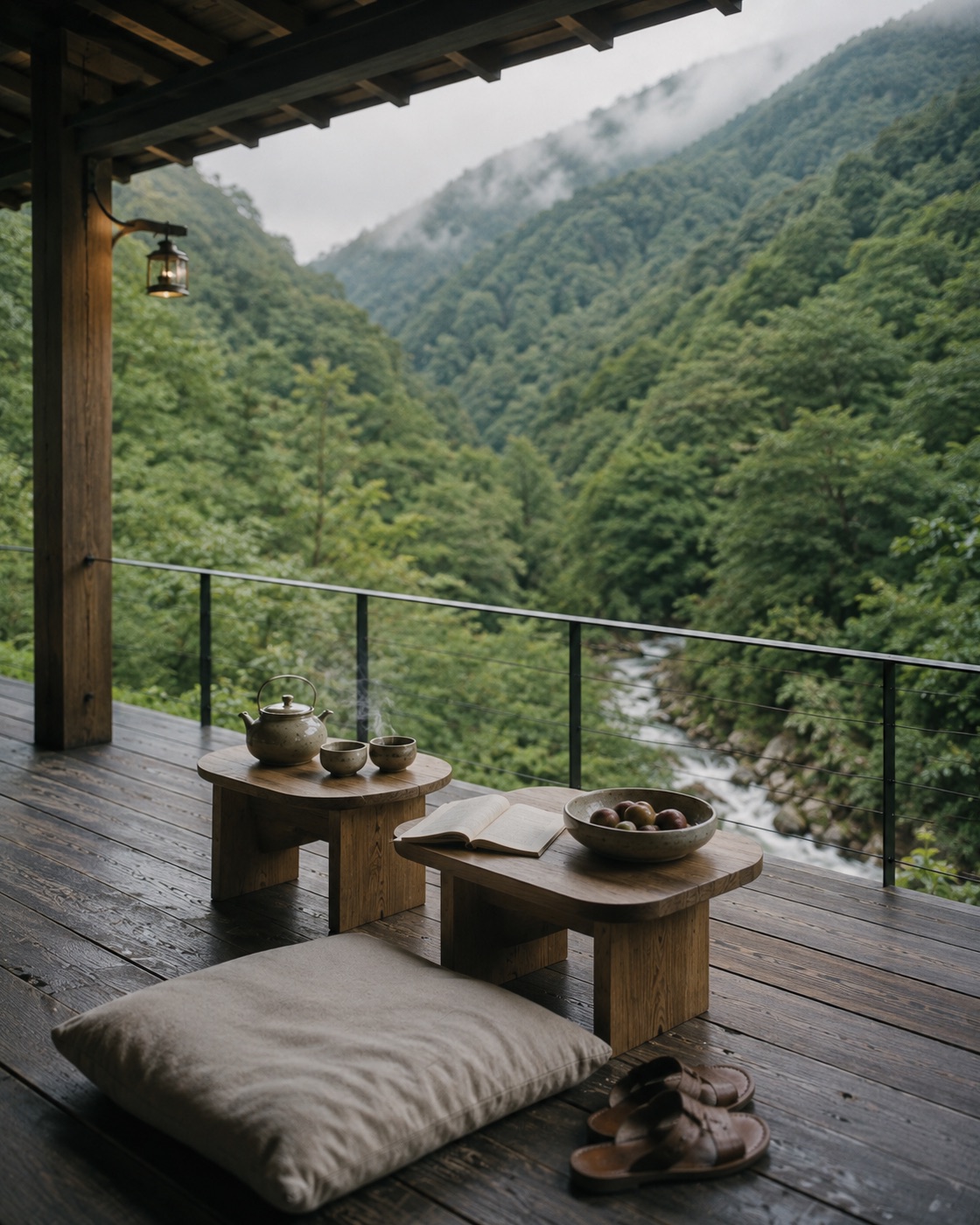
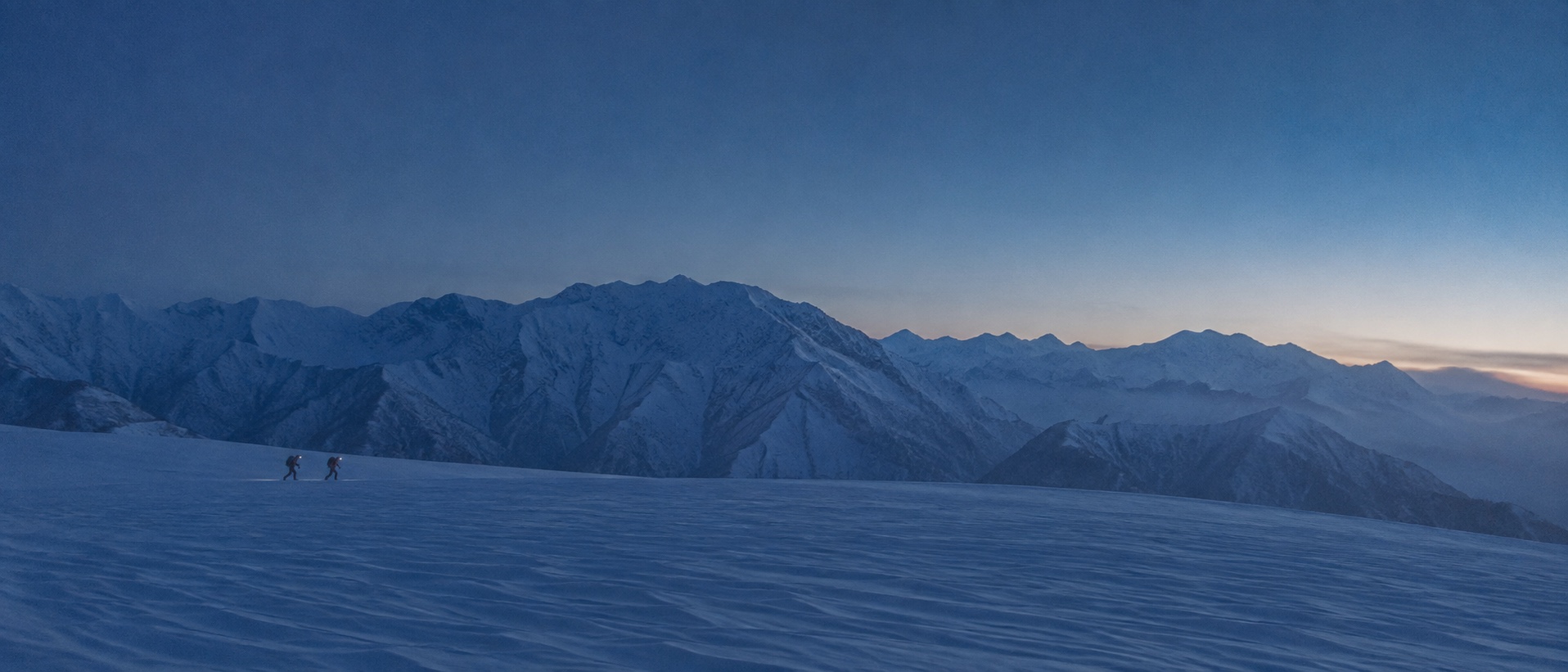
Everything you would otherwise have to write and ask.
Staying
- By custom7 nights
- RoomsFour
- Children12 and over — not Dec–Mar
- DogsYes, except the bathhouse
- Check in / out15:00 / 11:00
Included
- Dinner and breakfastDaily
- Both baths, all hours—
- The sleep room—
- Snowcat transferDec–Apr
- LaundryReturned next day
- Everything non-alcoholic—
Not included — sake and wine, the days listed above, shiatsu and consults.
Seasons & rates
Per room per night, for two, dinner and breakfast included. Consumption tax and a ¥200 bathing levy are added at checkout.
If plans change
- Deposit30 %
- To 30 daysRefunded in full
- To 14 days50 % refunded
- Inside 14 daysNot refunded
If the road is closed by weather and we cannot get you up the valley, you are refunded in full. Always, and without being asked.
Reservations open twelve months ahead
Come when it snows.
November is the quiet month. February is the deep one. Breakfast is at seven either way.